
Author name: admin

Uncategorized

Local SEO Strategies for Small Businesses

Local SEO Strategies for Small Businesses Local SEO strategies for small businesses have become more important than ever in 2026 as consumers increasingly rely on online searches to find nearby products and services. When someone searches for a service “near me” or includes a specific location in their query, search engines like Google prioritize businesses that are geographically relevant, trustworthy, and optimized for local intent. For small businesses, this presents a powerful opportunity to compete with larger brands by targeting customers within their immediate area. Unlike traditional marketing methods that require significant investment, Local SEO focuses on visibility, credibility, and relevance within a defined geographic market, making it both cost-effective and highly impactful. One of the foundational elements of Local SEO is optimizing your Google Business Profile. This free tool allows businesses to appear in local search results and on Google Maps, which are often the first things users see when searching for nearby services. A fully optimized profile should include accurate business information such as name, address, phone number, website, working hours, and business category. Consistency is critical; even small discrepancies in contact details across platforms can reduce trust signals for search engines. Adding high-quality images, writing a compelling business description with location-based keywords, and regularly posting updates can significantly improve visibility. Encouraging satisfied customers to leave positive reviews further strengthens your credibility and influences potential buyers, as reviews play a major role in both rankings and customer decision-making. Keyword optimization is another essential aspect of Local SEO. Instead of targeting broad, highly competitive keywords, small businesses should focus on long-tail, location-specific phrases that reflect user intent. For example, a bakery should aim for terms like “custom cakes in Malappuram” rather than simply “cakes.” These localized keywords should be naturally integrated into website content, headings, meta descriptions, URLs, and image alt texts. However, keyword stuffing should be avoided; search engines are sophisticated enough to detect unnatural usage. The goal is to create informative, helpful content that clearly communicates your services and location while maintaining readability and authenticity. Creating dedicated location pages can further strengthen local rankings, especially for businesses serving multiple areas. Rather than listing all locations on a single page, separate pages should be developed for each service area with unique content tailored to that location. Each page can include local testimonials, case studies, community references, and specific service details relevant to that area. This approach not only enhances search visibility but also provides a more personalized experience for potential customers. It signals to search engines that your business has a genuine presence and relevance in those locations. Local citations also play a vital role in improving search engine trust. A citation refers to any online mention of your business’s name, address, and phone number. These appear in business directories, local listing sites, and social platforms. Maintaining consistent information across all directories helps search engines verify the legitimacy of your business. Inconsistent listings can create confusion and negatively impact rankings. Submitting your business details to reputable local directories and industry-specific platforms strengthens your digital footprint and increases the likelihood of appearing in local search results. Mobile optimization is equally critical in today’s digital landscape. A significant percentage of local searches are performed on smartphones, often by users ready to make immediate purchasing decisions. If your website loads slowly, is difficult to navigate, or does not display properly on mobile devices, potential customers may leave before taking action. A responsive design, fast loading speed, clear call-to-action buttons, and easily accessible contact information are essential components of a mobile-friendly website. Features such as click-to-call buttons and integrated maps enhance user convenience and encourage direct engagement. Content marketing with a local focus can also amplify your Local SEO strategy. Publishing blog posts, guides, and updates that address local issues, events, or industry trends helps build authority within your community. For instance, a marketing agency could write about how local businesses are adapting to digital trends in their specific region. This type of content attracts geographically relevant traffic and strengthens community connections. Additionally, incorporating local landmarks, neighborhoods, and regional terminology within content reinforces geographic relevance. Backlink building remains an important ranking factor in Local SEO. Earning links from reputable local websites, news portals, bloggers, and community organizations signals to search engines that your business is authoritative within the local market. Collaborating with local influencers, sponsoring community events, or contributing guest articles to regional blogs can help secure high-quality local backlinks. These connections not only improve rankings but also enhance brand recognition within the community. Social media platforms such as Instagram and Facebook indirectly support Local SEO by increasing brand visibility and engagement. Sharing locally relevant content, using geo-tags, and interacting with community members help build a strong local presence. Although social signals are not direct ranking factors, they drive traffic, encourage reviews, and strengthen overall brand awareness, which positively influences search performance over time. Finally, tracking and analyzing performance is crucial for long-term success. Tools like Google Analytics and Google Search Console provide valuable insights into user behavior, keyword performance, and traffic sources. Monitoring metrics such as local keyword rankings, map views, website visits from specific regions, and call inquiries helps businesses understand what strategies are working and where improvements are needed. Local SEO is not a one-time effort but an ongoing process that requires consistent updates, monitoring, and optimization.  Local SEO offers small businesses a powerful way to attract nearby customers, build trust, and compete effectively in their market. By optimizing business listings, targeting location-specific keywords, maintaining consistent citations, encouraging reviews, creating local content, building backlinks, and ensuring mobile responsiveness, businesses can significantly improve their visibility in local search results. As competition continues to grow in 2026, those who invest in a structured and strategic Local SEO approach will not only increase online visibility but also convert digital searches into loyal, long-term customers.
BEST DIGITAL MARKETING STRATEGIST IN MALAPPURAM
Uncategorized

Youtube shorts vs Instagram Reels: What Drives More Traffic in 2026

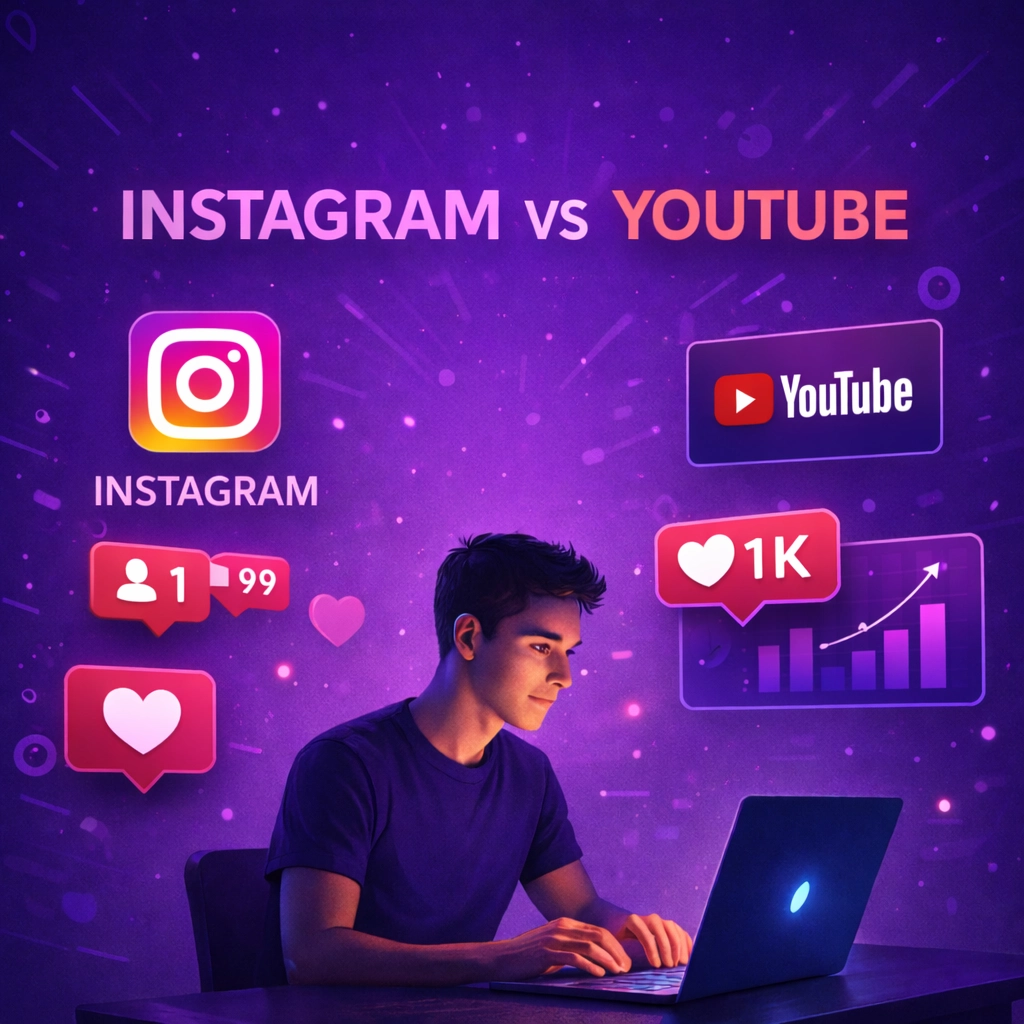
Youtube shorts vs Instagram Reels: What Drives More Traffic in 2026 In 2026, YouTube Shorts tends to drive more long-term and discoverable traffic because its content gets surfaced not just in the Shorts feed but also through YouTube search and recommendations, allowing videos to continue attracting views even weeks after posting. Shorts also often result in higher overall reach and session time, making it strong for sustained audience growth and traffic to longer content. In contrast, Instagram Reels typically generate faster, high-impact bursts of traffic immediately after posting — especially when they tap into trending audio or hashtags — driving strong engagement, high shares and immediate visibility within the Instagram ecosystem. However, their visibility often drops sharply after the first few days. The Rise of Short-Form Video: A 2026 Context Short-form video dominates the digital landscape in 2026. With internet users spending a huge portion of their online time watching quick clips, platforms like YouTube Shorts, Instagram Reels, and TikTok have become central to content strategy for brands, creators, and marketers. Industry estimates show that short videos are expected to account for a dominant share of global internet traffic in the near future, reflecting a seismic shift in consumption habits — especially among mobile audiences and Gen Z viewers who prefer high-impact content under 60 seconds. In this context, both YouTube Shorts and Instagram Reels are crucial players. However, their roles are increasingly differentiated: Reels excels in quick discovery and community interaction, while Shorts increasingly draws sustained attention and long-tail traffic. Understanding these nuances is key to choosing the right platform for your goals in 2026. Discovery & Reach: Instagram Reels Still Has an Edge Early On Instagram Reels remains one of the most effective platforms for initial reach and viral visibility, particularly within existing networks and through Meta’s recommendation algorithm. Historically, Reels has delivered a high average view count — often outpacing YouTube Shorts across various follower brackets, primarily because Instagram pushes Reels aggressively via Explore feeds and hashtag discovery. In markets like India, Reels has become deeply integrated into daily social media behaviour. Reports indicate that a significant majority of users prefer Reels as their go-to video format for entertainment and trends, highlighting its broad cultural penetration. This makes Reels especially potent for creators and brands seeking immediate visibility and buzz around trending topics. Algorithm Dynamics: Quick Spike vs Sustained Exposure The nature of traffic differs significantly between the two platforms. Instagram Reels’ algorithm is highly trend-centric — prioritizing the latest sounds, challenges, and meme formats. This can create explosive short-term visibility, with content often peaking within the first 48 hours of posting. In contrast, YouTube Shorts’ algorithm places a strong emphasis on long-tail discoverability and recommendation. Shorts are surfaced not only in the Shorts feed but also via YouTube search and suggested videos, meaning a well-crafted Short can continue accumulating views weeks or months after upload. This slower, enduring discovery pattern makes Shorts particularly valuable for creators seeking ongoing traffic growth rather than just quick bursts. Traffic Quality: Engagement vs. Retention If raw views are the primary metric, Instagram Reels has traditionally tended to deliver higher immediate reach thanks to its recommendation engine. However, deeper engagement metrics tell a different story. Reels generally show stronger interaction rates in the form of comments, shares, and saves, making them effective for building community interaction and social proof. On the other hand, YouTube Shorts frequently drive longer session durations and repeated views, contributing positively to retention and algorithm favorability on YouTube. Longer user sessions also increase the chances of driving traffic to other content on a creator’s channel, such as longer videos or playlists — which can ultimately enhance visibility and monetization Instagram Reels remains one of the most effective platforms for initial reach and viral visibility, particularly within existing networks and through Meta’s recommendation algorithm. Historically, Reels has delivered a high average view count — often outpacing YouTube Shorts across various follower brackets, primarily because Instagram pushes Reels aggressively via Explore feeds and hashtag discovery. In markets like India, Reels has become deeply integrated into daily social media behaviour. Reports indicate that a significant majority of users prefer Reels as their go-to video format for entertainment and trends, highlighting its broad cultural penetration. This makes Reels especially potent for creators and brands seeking immediate visibility and buzz around trending topics. Traffic for Brands: Immediate vs. Long-Term Growth For brands, the choice between Reels and Shorts often comes down to campaign objectives: Instagram Reels is particularly effective for flash campaigns, product launches, seasonal promotions, and quick sales conversions — thanks to Meta’s integrated commerce tools, shopping tags, and direct user interactions. YouTube Shorts, by contrast, is strong for brand awareness and discovery over time. Because content remains discoverable longer and can lead directly to a brand’s broader YouTube ecosystem, Shorts is often better at building an evergreen audience and directing traffic toward links or other conversion touchpoints. In many cases, brands today use both formats in tandem: Reels for trend-focused promotional blasts and Shorts for sustained reach and traffic growth. Monetization & Creator Traffic Flow Monetization and traffic flow also differ. While Instagram offers creators revenue potential through brand deals, shopping features, and bonus programs, its direct ad revenue from Reels tends to be limited compared to YouTube’s ecosystem. YouTube, meanwhile, integrates Shorts more directly into its broader monetization stack — including ad revenue share and channel growth potential. Although Shorts RPMs (earnings per thousand views) are lower than long-form videos, the format still feeds steady viewers into a creator’s channel, which can lead to higher overall traffic and earnings over time. This structural difference means that Shorts traffic can gradually convert into broader YouTube engagement, amplifying traffic beyond the short-form space — something Reels alone rarely achieves at the same scale. Geographic & Demographic Nuances Platform performance can vary significantly by region and audience demographic: In regions like India, Instagram Reels continues to hold massive popularity due to its integration into everyday social interactions and local trends, making

BEST DIGITAL MARKETING STRATEGIST IN MALAPPURAM
Uncategorized

Why Every Small Business Needs a Digital Marketing Strategy in 2026

Why Every Small Business Needs a Digital Marketing Strategy in 2026 In 2026, the way customers discover, evaluate, and choose businesses has completely transformed. Digital platforms are now the primary space where buying decisions begin and often end. For small businesses, this shift presents both an opportunity and a challenge. Without a clear digital marketing strategy, even the best products or services can remain invisible. A well-planned digital marketing strategy is no longer optional—it is essential for survival, growth, and long-term success. The Digital-First Customer Mindset Modern consumers rely heavily on the internet to make informed decisions. Before contacting a business, they search on Google, browse social media, read online reviews, and compare competitors. Whether it’s a local shop, service provider, or startup, customers expect businesses to have a strong online presence. A digital marketing strategy ensures that a business appears at the right time, in the right place, with the right message. Without this visibility, small businesses risk losing potential customers to competitors who are more digitally active and accessible. Cost-Effective Marketing with Measurable Results One of the biggest advantages of digital marketing is its affordability compared to traditional advertising methods like print, radio, or television. Small businesses often operate with limited budgets, making it crucial to invest in marketing channels that deliver measurable returns. Digital marketing allows businesses to: Target specific audiences   Control ad spend Track performance in real time Optimize campaigns for better results   Through tools like Google Analytics, Meta Ads Manager, and SEO tracking platforms, businesses can see exactly what works and what doesn’t. This data-driven approach helps reduce wasted spending and improves overall return on investment (ROI). Increased Competition In The Digital Space As more businesses move online, competition becomes stronger—especially at the local level. Ranking on the first page of Google, appearing in local search results, and maintaining an active social media presence are now critical competitive factors. A digital marketing strategy helps small businesses: Identify their competitors Understand customer behavior Position their brand effectively Stand out in crowded markets Without a structured plan, businesses may struggle to keep up, losing market share to digitally smarter competitors. Building Brand Trust and Credibility Trust plays a major role in purchasing decisions. In 2026, customers trust businesses that appear professional, consistent, and transparent online. A well-designed website, active social media profiles, positive reviews, and valuable content all contribute to building credibility. Digital marketing allows small businesses to: Share customer testimonials Publish informative blog content Showcase expertise through videos and posts Maintain consistent branding across platforms This consistent digital presence helps build long-term relationships with customers and increases brand loyalty. The Power of Local Digital Marketing For small businesses, especially those serving specific regions, local digital marketing is extremely powerful. Local SEO, Google Business Profile optimization, and location-based ads help businesses attract nearby customers actively searching for services. With the right digital strategy, small businesses can: Appear in “near me” searches Get more phone calls and store visits Improve visibility in local maps Compete with larger brands locally In 2026, local search optimization continues to be one of the most effective growth tools for small and medium-sized businesses. Personalized Marketing Experiences Customers now expect personalized experiences. Generic marketing messages no longer convert effectively. Digital marketing enables personalization based on user behavior, preferences, location, and interests. Through email marketing, remarketing ads, and AI-powered tools, businesses can: Deliver relevant offers Improve customer engagement Increase conversion rates Enhance customer satisfaction Personalization helps businesses communicate more effectively and build stronger connections with their audience. Data-Driven Decision Making Unlike traditional marketing, digital marketing provides actionable insights. Businesses can track website traffic, conversion rates, ad performance, and user behavior in real time. This data allows small businesses to make informed decisions and continuously improve their strategies. With analytics, businesses can: Identify high-performing channels Understand customer journeys Improve website experience Focus on strategies that generate real results   This ability to adapt quickly gives small businesses a competitive edge Adapting to New Technologies and Trends Digital marketing continues to evolve rapidly. In 2026, technologies like artificial intelligence, marketing automation, voice search, and social commerce play a major role in business growth. A digital marketing strategy helps businesses stay updated and adapt to these changes effectively. Businesses that embrace innovation can: Improve efficiency through automation Enhance customer experience Reach audiences through emerging platforms Stay relevant in a fast-changing market Ignoring digital trends can lead to stagnation and loss of relevance. Supporting Long-Term Business Growth Digital marketing is not just about short-term sales. A well-planned strategy supports long-term growth by building brand awareness, customer loyalty, and sustainable online presence. Over time, businesses benefit from: Higher organic traffic Stronger brand recognition Repeat customers Reduced dependency on paid ads Conclusion In 2026, every small business needs a digital marketing strategy to survive and grow in an increasingly competitive environment. It ensures visibility, builds trust, improves customer engagement, and drives measurable results. Businesses that invest in digital marketing today are better prepared for future challenges and opportunities.A clear, consistent, and data-driven digital marketing strategy is no longer a luxury—it is a necessity for success in the modern business landscape.

Scroll to Top